In this article
- The rule: the vehicle is the unit of record, not the contract
- Seven messages that cover the full rental cycle
- 1. Booking and quote
- 2. Handover
- 3. Extension
- 4. Payment and collection
- 5. Return
- 6. Fines after return
- 7. Maintenance and time out of service
- The seven messages at a glance
- Why a message beats a screen here
- A first-week checklist
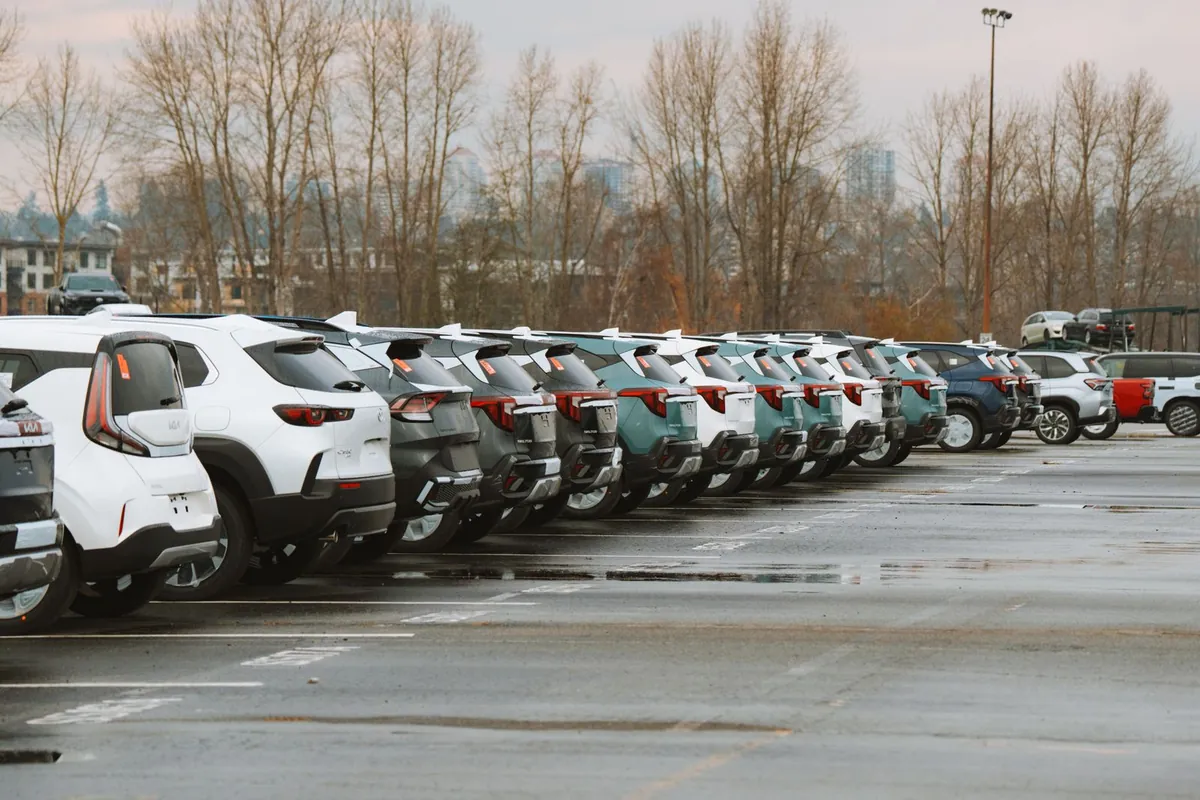
A car rental office differs from retail in one decisive way: the goods leave your hands and come back. You hand over an asset worth tens of thousands, stay responsible for it while it is off your lot, then settle the difference between two states when it returns. Revenue is tied to time, not to units, and losses rarely show up at the counter. They surface two weeks later as a traffic fine, a scratch, or a late day nobody charged for.
This is why many owners say the fleet was busy all month while the numbers refuse to agree. The events that matter happen on the lot, not behind the desk: handover, odometer, condition, return. Anything written into a notebook hours later has lost half its value.
The rule: the vehicle is the unit of record, not the contract
The common mistake is treating every contract as a standalone file that dies when the rental ends. The plate number should be the thread tying everything together: who took it, at what odometer it left, what it returned with, what maintenance cost, how many days it sat idle. Then you can answer the question that decides your next purchase: which cars make money, and which only work to pay for their own repairs.
Seven messages that cover the full rental cycle
1. Booking and quote
When the customer agrees: class, start and end date and time, daily rate, and expected total. One message before the customer arrives. This prevents the most common dispute in the business: a price quoted on the phone and forgotten at signing.
2. Handover
The moment the car leaves: plate, odometer, fuel level, condition notes, and photos from all four sides. This is the most important message of the day. A scratch not documented at handover cannot be proven at return, and many offices pay for repairs they did not cause because of it.
3. Extension
When the customer asks for extra days: the contract, the new number of days, and the added amount. Verbal extensions are the quietest revenue leak here: the employee assumes a colleague logged it, the customer assumes the rate did not change.
4. Payment and collection
Every amount received: contract, amount, payment method. Separating what is due from what is collected matters more here than anywhere else, since part of your revenue is settled after the car returns. Linking each payment to the invoice on the spot keeps the statement ready without a month-end reconstruction, the logic behind invoicing from WhatsApp.
5. Return
When you receive the car: new odometer, fuel level, damage if any, and hours or days of delay. The gap between the handover and return messages is your entire settlement: kilometres driven, fuel difference, late charges. Without them, billing becomes an argument on the lot.
6. Fines after return
A traffic fine can arrive weeks after a contract ends. Each one needs a message linking the plate, the date and time of the violation, and the contract the car was under that day. If your records are not timestamped accurately, you cannot attribute the fine and you absorb it yourself.
7. Maintenance and time out of service
When a car enters the workshop: plate, reason, odometer, cost, and expected return to service. Downtime is not a technical detail; it is days without revenue, and they belong next to that vehicle's earnings.
The seven messages at a glance
| Message | When | Fields never to skip |
|---|---|---|
| Booking | On agreement | Class, duration, daily rate |
| Handover | As the car leaves | Plate, odometer, fuel, photos |
| Extension | On extra days | Contract, days, added amount |
| Payment | On receipt | Contract, amount, method |
| Return | As the car comes back | Odometer, fuel, damage, delay |
| Fine | When it arrives | Plate, violation date, contract |
| Maintenance | On entering the shop | Plate, reason, cost, downtime |
Why a message beats a screen here
Because half your work happens standing at the car, keys in one hand and a phone in the other. Any system that asks an employee to walk back to a desk and fill a long form gets postponed to the end of the shift and written from memory, and that is where the odometer reading and the condition photos disappear. A message is written where the event happens, in seconds, photo attached and time stamped.
A contract without a handover and a return message is not a contract. It is an employee's memory.
A first-week checklist
- Make the plate number the identifier in every message, and standardise how everyone writes it.
- Let no car leave before a handover message with odometer, fuel and four photos.
- Keep the return message separate from the payment message, even if both happen in the same minute.
- Log every extension as its own message instead of editing the original booking.
- Open a record per vehicle that keeps maintenance and downtime beside its revenue.
- After a month, rank your cars by revenue minus maintenance and downtime, and buy or sell from that ranking, not from impression.
Once these seven movements become routine, extending the same method to fleet reports, expenses and customer accounts is a natural next step, and that is the logic of running your business from WhatsApp.
In short: profit in a rental office is decided between two messages, handover and return. Document odometer, fuel and condition with photos on every exit and entry, and tie every fine and maintenance day to the same plate. Then you know which vehicle actually earns.
Run your business from WhatsApp
Fahim turns the messages your team already sends into stock, invoices and reports. Try it free for a month.