In this article
A bakery resembles other retail in one respect only: a counter, a shelf and a customer. Behind the door everything differs. You do not buy an item and resell it as is. You buy raw materials, turn them into a product with a very short life, and what does not sell today rarely sells tomorrow. That moves your numbers at three points, not one: purchase, production, and end of day.
This is why many bakery owners feel the shop sells well but does not earn well. Sales are visible in the till, but the flour that went into the oven, the pieces that came out, and the trays thrown away at closing stay in the baker's head. You cannot improve a number you never record.
The rule: record the batch, not just the product
The common mistake is treating a bakery like a grocery: an item in, an item out. The correct unit is the production batch, recorded as its own event with three fields:
- Item and quantity produced: how many pieces or trays actually came out of this batch.
- Materials consumed: approximate at first is fine, enough to see the real cost per piece.
- Time and shift: waste is not a fixed rate, it differs between dawn and evening and between bakers.
Once the batch is the unit of record, questions like "what does a croissant cost me?" and "which item consumes more than it returns?" move from guesswork to a table.
Six messages that cover the bakery's day
1. Raw material order
When you send the order: supplier name, items, quantities, agreed price, expected delivery date. One message before or right after the call. It is what protects you later, when half the order arrives and the rest was supposedly never agreed.
2. Goods receipt
The moment the delivery lands: quantities actually received, any shortfall, and expiry dates for short-life materials such as butter, cream and eggs. The gap between ordered and received is where money leaks most here, and it never surfaces if order and receipt are logged as one number.
3. Production batch
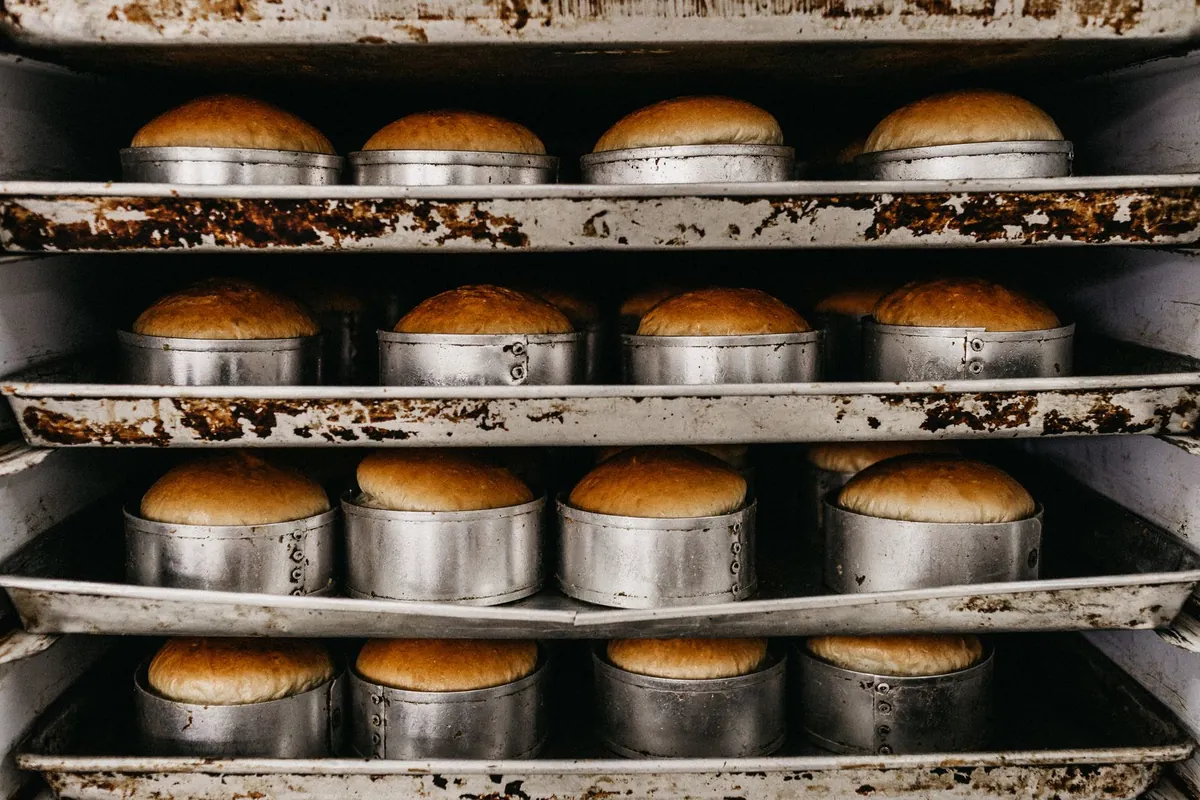
After each batch leaves the oven: item, quantity, shift. You need consistency, not laboratory accuracy. Twenty days of steady approximate logging beats three days of perfect logging followed by silence.
4. Occasion order
Graduation cakes, holiday sweets and custom orders carry your highest margin and your worst incidents. Every one needs a message with the customer name and phone, the description, pickup date and time, the full amount, and the deposit paid. With those fields recorded, the familiar story stops: a finished cake nobody can claim, or a customer arriving to nothing. Tying the deposit to the invoice at that same moment makes collection and handover one thing, which is the logic behind invoicing over WhatsApp.
5. Waste log
Before closing: which items are left, how many pieces, and what happened to them. This is the message everyone avoids, and exactly the one that changes the outcome. Waste is not a figure to hide, it is pricing and production information. If an item comes back heavily every evening, the problem is your batch size, not the market.
6. Daily close
Sales, total produced, total wasted. Three numbers in one message. After two weeks you have a picture no general feeling about the shop gives you.
The six message table
| Message | When | Fields never skipped |
|---|---|---|
| Material order | When ordering from a supplier | Supplier, items, quantities, price |
| Receipt | As the delivery lands | Actual received, shortfall, expiry |
| Batch | After each production run | Item, quantity, shift |
| Occasion order | At booking | Customer, description, pickup, deposit |
| Waste | Before closing | Items, count, disposal |
| Close | End of day | Sales, produced, wasted |
Why a message beats a screen here
A bakery is not an office: heat, flour in the air, two hands always busy. Any system that asks the baker to wash up, walk to a screen and open four windows to log one tray will be abandoned in its first week, and paper returns. A message is written from the phone in the pocket, in seconds, where the event happened. That is the difference between recording that happens and recording postponed to "end of day" and forgotten.
Waste that goes unrecorded does not disappear. It is quietly paid out of profit.
A first-week checklist
- Pick your ten best-selling items only, do not try to cover the whole menu.
- Fix one name per item that everyone uses, and ban multiple names for the same thing.
- Log batches and waste for those ten items daily for two weeks before deciding.
- Make every occasion order carry all five fields from day one, with no exceptions.
- Always separate the order message from the receipt message, even for same-day delivery.
- After two weeks, compare waste to production per item and adjust batch size for the three worst.
Once these six movements are steady, extending the method to item costing, purchasing and branch reporting is a natural step rather than a new project, which is the logic behind running your business from WhatsApp.
Bottom line: a bakery does not lose money at the till, it loses it between the oven and the closing bin. Record every batch, log waste daily without dressing it up, and tie every occasion order to its customer and deposit. Three habits, one message each, are enough to know your real cost and stop the waste you already pay for without seeing it.
Run your business from WhatsApp
Fahim turns the messages your team already sends into stock, invoices and reports. Try it free for a month.