In this article
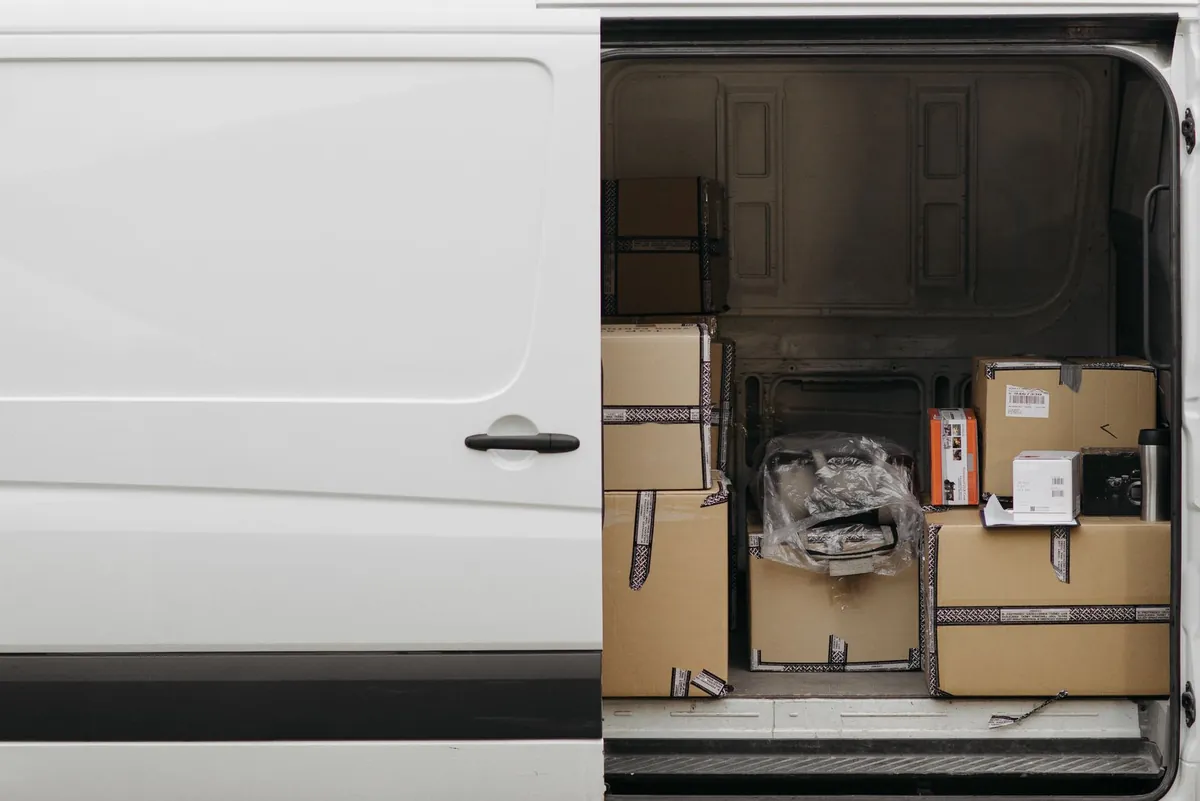
A small delivery operation looks simple: an order leaves the shop and arrives at a door. What wears the owner down is not the road, it is what comes back from it. The driver left with sixteen orders, returned with thirteen, and the cash is short by a hundred and twenty riyals. Where is the gap? One order went out with a verbal discount, one came back because nobody answered, and one he says he delivered but nobody knows to whom. When the answers live in a driver's memory, a small daily loss becomes a month-end number you cannot explain.
The usual answer is a driver app with live tracking. That makes sense with forty vehicles. With three or five drivers the app stays closed, because a driver at a door holding two bags and taking cash does not open an app. The one tool open on his phone all day is WhatsApp. Instead of chasing the driver into a system, let the system receive his message where he already is.
Where the money leaks in delivery
Most gaps come from five recurring points:
- Delivery without proof: no recipient, no time, no photo, so a dispute is word against word.
- Cash collected into a pocket: amounts are not logged when received, so the day's orders mix with the driver's fuel spending.
- Failed attempts with no reason: nobody knows whether the customer refused, did not answer, or the address was wrong, so the second attempt repeats the first.
- Unrecorded returns: the item goes back on the shelf but not into stock, so the branch sells it twice on paper and once in reality.
- Verbal discounts: the driver concedes a small amount to close the situation, and it appears nowhere except in the shortfall.
Six messages that cover the order cycle
The idea is one short, fixed-format message per event, sent by the driver from where he stands, so the order's path becomes a record with no later data entry.
| Event | Message | What gets recorded |
|---|---|---|
| Assign | Order 1042 to Saad | Ownership of the order and departure time |
| On the way | 1042 on the way | Attempt started, answer for customer queries |
| Delivered | 1042 delivered cash 185 | Proof of delivery and amount collected |
| Failed | 1042 no answer after two tries | Failure reason and retry date |
| Return | 1042 returned two items | Items back into stock |
| Shift close | Saad shift handover | Driver cash matched against his orders |
Proof of delivery is not a formality
Nothing drains a delivery owner like an order the customer denies receiving. The difference between losing it and proving it is one line sent at handover: order number, who received it, amount. The time stamps itself from the message. To tie this to the invoice, see the invoicing from WhatsApp page. The rule: no order closes without a delivery message, and no commission is paid without proof.
Settling cash at the end of the shift
Cash on delivery means your driver carries a moving cash box all day. What protects both sides is an open account per driver: cash orders are charged to him, amounts handed to the accountant are credited to him, and the balance is what he owes. Closing the shift then stops being an argument and becomes matching one number. It also protects the driver from suspicion, because he knows what he owes before anyone asks.
Failed attempts and returns
An undelivered order costs you twice: fuel and an hour on the first attempt, and the same on the second. So it deserves a recorded reason from a short list: no answer, wrong address, refused, postponed. After two weeks you will know which reason repeats, and it is usually the address. Returns follow one rule: no item goes back on the shelf before it goes back into stock in the record, otherwise you sell what you do not have. Linking movement to stock is on the inventory from WhatsApp page.
Invoicing and compliance
Cash on delivery does not exempt you from e-invoicing requirements in Saudi Arabia. The phases and what applies to each business are published by the Zakat, Tax and Customs Authority on zatca.gov.sa. Do not rely on groups or a vendor's interpretation; check the official site or your accountant. What matters operationally is that every handover is recorded with its time and amount, because a correct invoice starts from a correct record.
Checklist before you start
- Fix one delivery message format: order number, recipient, amount.
- Keep your failure reasons list to four or five, no more.
- Open an account per driver and close the shift daily, not weekly.
- Decide who may discount at the door, and by how much.
- Start with one driver for two weeks before rolling it out.
- Review every Thursday the orders pending more than three days.
A quick test: ask right now how much each driver owes you. If the answer needs a phone call and a notebook, the month-end shortfall is not a surprise.
In short: a delivery business does not need a tracking app, it needs proof for every handover and an open account per driver. Six WhatsApp messages — assign, on the way, delivered, failed, returned, shift close — cover an order from the moment it leaves until its cash reaches the box, and turn the daily gap into a number with a known source. That is what running operations from WhatsApp in Fahim is built on.
Run your business from WhatsApp
Fahim turns the messages your team already sends into stock, invoices and reports. Try it free for a month.